Back to the Books PNG Design: A Practical Guide for Creators and Educators
The transition from summer break to the academic year brings a surge of creative energy, particularly for those involved in education, small business ownership, and crafting. Among the most sought-after assets during this period is the Back to the Books PNG Design. This specific digital asset collection has become a staple for teachers creating classroom decor, entrepreneurs launching back-to-school merchandise, and hobbyists looking to personalize gifts. However, simply downloading a file does not guarantee a professional result. Understanding the technical specifications, application methods, and common pitfalls associated with these designs is crucial for achieving high-quality outcomes.
Understanding the Asset Collection
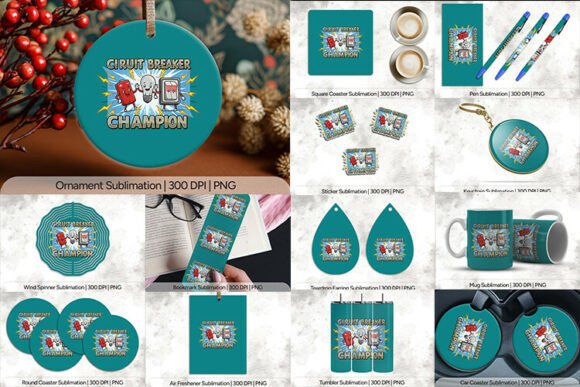
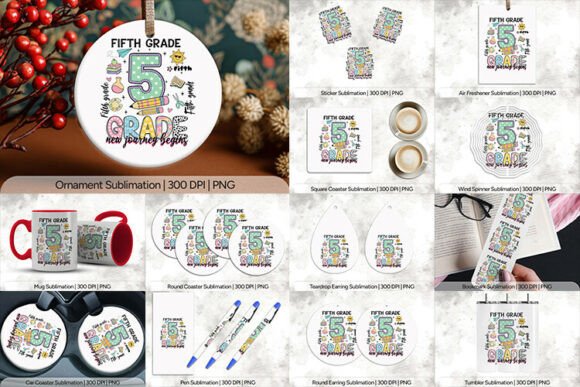
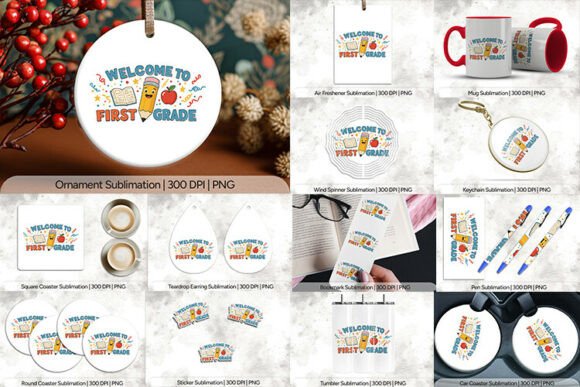
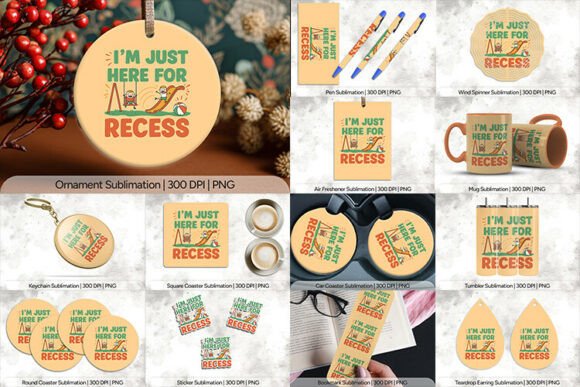
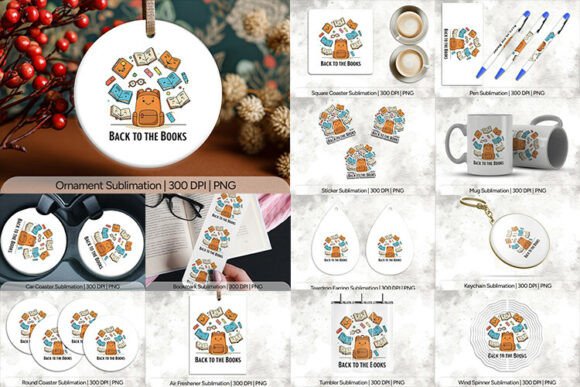
At its core, the Back to the Books PNG Design bundle offers a comprehensive suite of 14 distinct products, all rendered at a high-resolution 300 DPI. For those unfamiliar with print standards, 300 DPI (dots per inch) is the gold standard for crisp, clear printing. Anything lower often results in pixelation, especially when scaling up for items like posters or large decals. The collection includes dimensions ranging from tiny accessories to larger decor pieces, ensuring versatility across various mediums.
The variety within the pack allows for cohesive branding. Whether you are designing a matching set of teacher appreciation gifts or a full line of student supplies, having consistent design elements across different product types enhances the perceived value of your work. The inclusion of both functional items—like mugs and keychains—and decorative pieces—such as ornaments and wind spinners—provides ample opportunity for cross-selling and bundling strategies.
Common Mistakes in Digital File Usage
Even with high-quality source files, errors in preparation and application can undermine the final product. One frequent oversight involves ignoring aspect ratios and bleed areas. When designing for physical products, the printable area is rarely the entire canvas. For instance, a mug wrap requires careful placement to avoid distortion around the curve. If a designer places critical text or logos too close to the edge without accounting for the curvature or the press limits, the design may be cut off or appear skewed.
Another significant error is assuming that all PNG files are transparent by default or suitable for all background colors. While PNGs support transparency, improper handling in design software can leave white halos around edges, particularly if the anti-aliasing was not done correctly during the creation phase. Additionally, some users attempt to use vector-based thinking on raster images. Unlike SVGs, PNGs do not scale infinitely without loss of quality. Attempting to stretch a 300x300 pixel sticker to fit a billboard will result in a blurry, unprofessional image.
Technical Specifications and Product Compatibility
To avoid these issues, it is essential to review the specific dimensions provided for each item in the Back to the Books PNG Design pack. Here is a breakdown of how these specifications translate to real-world applications:
- Mug (9.75×4.75 Inches / 2925×1425 Pixels): This size is ideal for standard travel mugs. Ensure your design software respects the cylindrical nature of the mug. Wrapping designs require precise alignment to ensure graphics meet seamlessly at the back.
- Tumbler (9.3×8.2 Inches / 2790×2460 Pixels): Tumblers often have a larger surface area than mugs. The height difference means vertical text or tall graphics must be checked for readability. Consider how the lid interacts with the top of the design.
- Sticker (1×1 Inch / 300×300 Pixels): Small formats demand simplicity. Intricate details may get lost in the die-cut process. Use bold lines and minimal text for optimal legibility on such a small scale.
- Bookmark (2×6 Inches / 600×1800 Pixels): The elongated shape requires horizontal composition. Avoid placing important elements in the corners where they might be obscured by other books or binders.
- Ornament & Wind Spinner (4×4 Inches / 1200×1200 Pixels): Circular designs benefit from radial symmetry. For wind spinners, consider how movement affects the visual impact of the static image.
Other items in the collection, such as the Air Freshener, Car Coaster, Keychain, Pen, Round Earring, Square Coaster, Teardrop Earring, and Round Coaster, follow similar principles. Each dimension dictates a specific layout strategy. For example, the Keychain at 2.56×2.56 Inches is nearly square but often used in oval or custom shapes, requiring designers to keep central elements safe from trimming edges.
Strategic Applications for Maximum Impact
Once the technical aspects are mastered, the focus shifts to strategic application. The Back to the Books PNG Design is versatile enough for multiple use cases, but success depends on targeting the right audience with the right product.
Educational and Classroom Uses
For educators, these designs are perfect for classroom decor and teacher-student gifts. Printing the Bookmark or Pen designs on cardstock creates affordable incentives for students. The Sticker files can be printed on adhesive paper for labeling supplies or rewarding behavior. When using these for classroom management, consistency in theme helps create a welcoming environment. Ensure that the color palette matches your existing classroom aesthetic to maintain visual harmony.
Entrepreneurial and Commercial Ventures
Small business owners and creators can leverage this bundle for back-to-school shirts, tote bags, and sublimation projects. The high resolution ensures that prints on fabric or ceramic remain sharp. However, commercial use rights should always be verified. Many digital assets come with specific licenses regarding resale. If you plan to sell physical goods, ensure you have the appropriate commercial license for the Back to the Books PNG Design.
When creating posters and planners, utilize the larger format options like the Tumbler or Mug templates as inspiration for layout balance. Even though these are smaller items, the compositional techniques apply to larger prints. Grouping related icons—such as pencils, books, and apples—creates a cohesive narrative that resonates with the back-to-school theme.
Crafting and Personal Projects
Hobbyists can use the Wind Spinner and Ornament designs for seasonal home decor. The Round Earring and Teardrop Earring files cater to jewelry makers, allowing for personalized accessories. When working with materials like wood, metal, or acrylic, consider how the design interacts with the material’s texture. Matte finishes may absorb ink differently than glossy surfaces, so test prints are recommended before committing to bulk production.
Best Practices for Evaluation and Purchase
Before integrating the Back to the Books PNG Design into your workflow, take time to evaluate the source. Check for layer separation if available, as this allows for greater customization. Verify that the transparency is clean by zooming in on the edges of the graphics. Look for artifacts or jagged lines that might indicate low-quality editing.
Furthermore, consider your end-user’s needs. If you are selling to teachers, prioritize durability and ease of cleaning for items like coasters and mugs. If your audience is students, focus on fun, engaging visuals for stickers and keychains. Aligning the design choice with user expectations increases satisfaction and reduces returns or complaints.
Conclusion
The Back to the Books PNG Design collection offers a robust toolkit for anyone looking to capitalize on the back-to-school season. By understanding the technical requirements, avoiding common design mistakes, and strategically applying these assets to various products, creators and educators can produce professional, appealing results. Whether you are making a single gift or launching a new product line, attention to detail and thoughtful application will set your work apart. Remember to respect licensing agreements and always test your designs before final production to ensure the highest quality outcome.